
April 17, 2026
Mountains That Speak the Same Language
by Farshad
Between the wide skies of Wyoming and the distant memory of the Zagros Mountains, I found something unexpected, kindness, familiarity, and a quiet feeling of home.
When I arrived in Wyoming, I believed I was stepping into a world entirely unfamiliar. I had come from Kurdistan, shaped by the presence of the Zagros Mountains—their quiet strength, their permanence, their silent companionship.
I expected distance. Difference. The weight of being a stranger.
Yet something unexpected began to unfold.
The Shape of Familiar Land
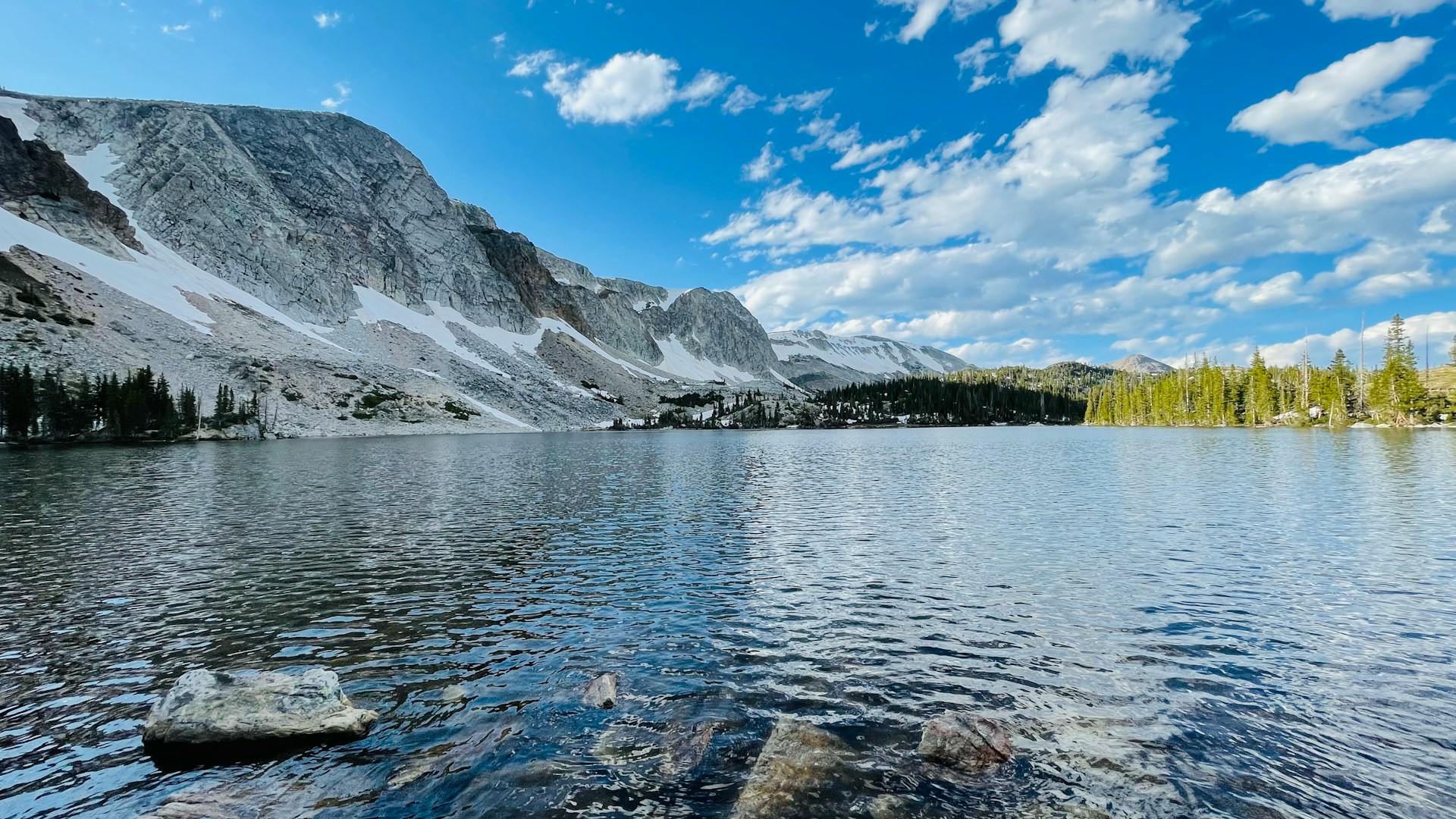
The first time I looked across Wyoming’s open land, I felt a quiet recognition. The horizon stretched endlessly, and the mountains stood in the distance with a calm, unshaken presence.
They were not the Zagros—different in form, unfamiliar in detail—but they carried the same feeling: steady, grounding, patient.
In that moment, I understood something I had not expected: nature does not always divide us. Sometimes, it connects us in ways words cannot.
Snow, Silence, and Strangers
Snow was not new to me—we have it back home. But one winter day, I experienced something that went far beyond weather.
I had parked my car when the snow was firm and frozen. By afternoon, it had softened and turned heavy. When I tried to leave, my tires spun uselessly. The car would not move.
I stepped out and tried to solve the problem on my own. I had no proper tools, but I kept trying, hoping effort would be enough.
After some time, a car slowed beside me.
“Do you need help?” the driver asked.
I hesitated.
In my culture, accepting help is not always easy. You do not want to burden others. So I replied, “No, thank you.”
I continued trying—but nothing changed. The street grew quiet, and doubt crept in. I began to question my decision.
Then another car stopped. The driver asked the same question.
This time, I said yes.
What followed surprised me. More people began to stop—some driving by, others nearby. One person offered to bring a shovel. Another joined in pushing. Within minutes, strangers—men and women—were working together to help me.
In that moment, I realized something important: the first person who stopped was not an exception. This was not coincidence.
This was culture.
Kindness Without Questions
On a cold morning, I stood outside trying to clear ice from my windshield. I didn’t have a scraper, so I used my hands, brushing off what I could.
A car drove past my house—then suddenly stopped. The driver got out, walked over without a word, brought an ice scraper, cleared the glass, and drove away.
It was a small act, but it stayed with me.
Another time, I witnessed a minor car accident in town. It disrupted traffic, but what stood out was not the accident—it was the response.
The driver in front of me did not drive around or ignore it. He stopped at a safe distance, positioned his car to protect the scene, and stepped out to check on those involved.
He stayed. He directed traffic. He made sure others could pass safely until the police arrived.
He did not know them. He was not responsible.
But he chose to help.
These moments taught me something meaningful: people here do not help because they know you. They help because it is part of who they are.
And in that, I found something deeply familiar.
Because in Kurdistan, helping others is not an exception—it is an expectation.
Even far from home, I recognized something of it.
The Language of Human Connection
In Wyoming, people smile when they see you. They look at you directly. When they shake your hand, they do it with presence—they do not turn away, they do not rush.
These gestures are small, but they carry meaning. They create a sense of recognition, a quiet message: you are seen.
In Kurdish culture, we understand this deeply. Hospitality is not only a tradition—it is a way of living. A greeting is not just a formality; it is a connection between people.
And here, in a place I once thought would feel distant, I found that same connection again.
Different Places, Shared Values
Wyoming and Kurdistan are not the same. Their languages, histories, and daily lives move in different rhythms.
But beneath these differences, there are shared values—kindness, respect, and a willingness to stand beside someone, even for a moment.
A New Understanding of Home
I came to Wyoming expecting to feel like I did not belong. But through its mountains, its people, and its quiet, unspoken kindness, I found something familiar.
Not the same as home—but close enough to remind me of it.
And somewhere between the Zagros and these distant hills, I began to understand:
Home is not only a place you leave behind.
Sometimes, it is something you find again—unexpectedly, in the presence of others.